
May Horiuchi
-
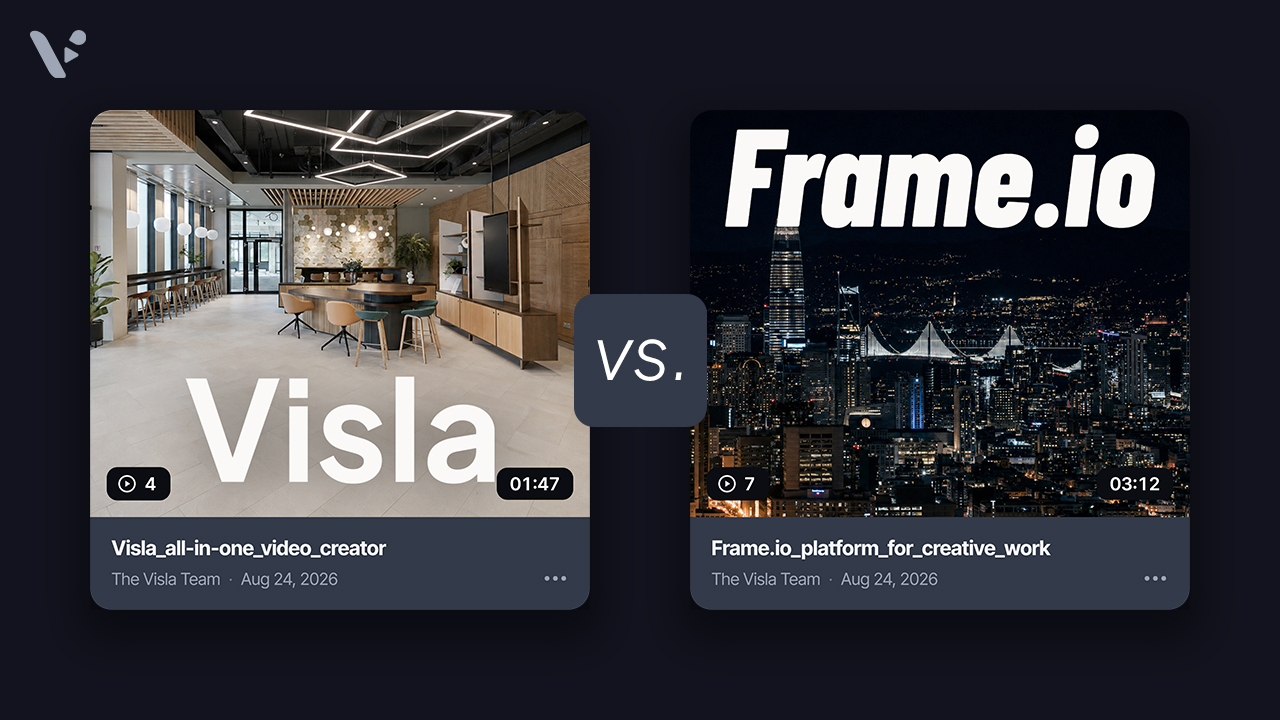
Visla vs. Frame.io: Which Video Collaboration Platform Is Right for Your Team?
Quick answer: Frame.io is built for professional video and creative teams that need detailed review, asset management, versioning, and production workflow controls. Visla is built for business professionals who need to create videos without becoming professional editors, with recording, AI creation, editing, collaboration, and sharing in one platform. A useful shorthand is: Frame.io is for…
-
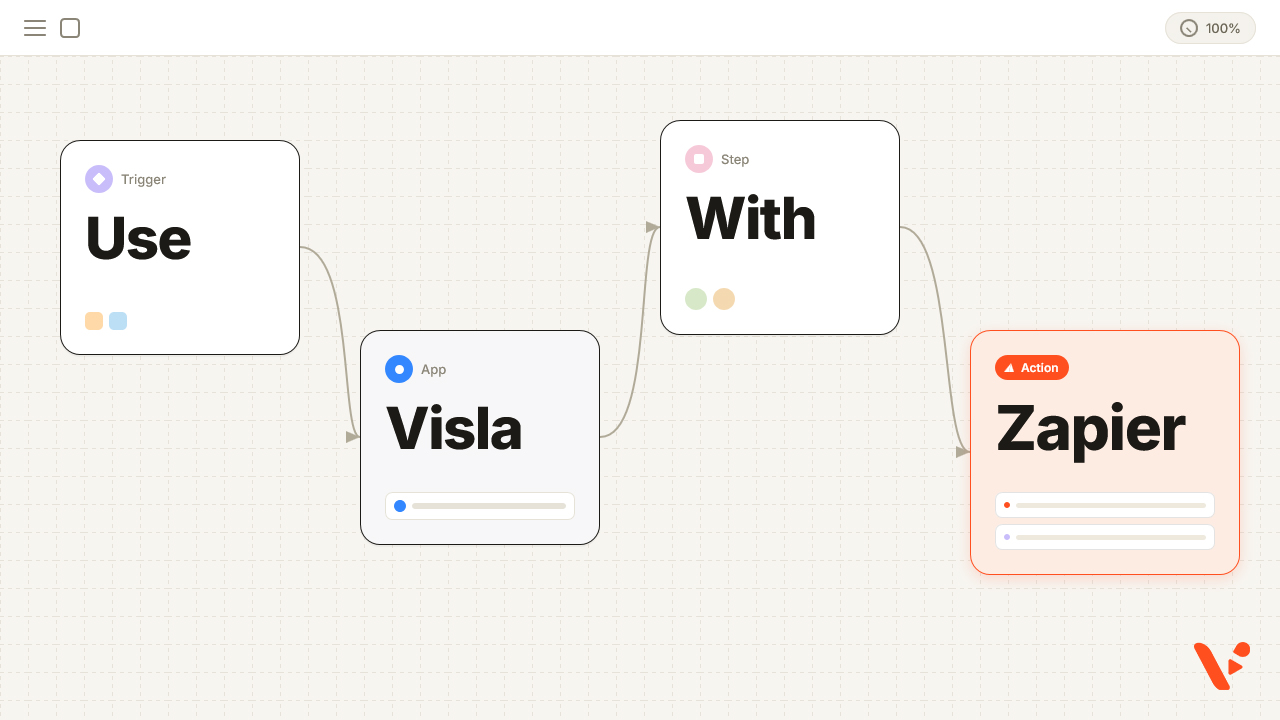
How to Automatically Turn Blog Posts Into Videos With Zapier and Visla
Quick answer: If you already use Zapier, you can automate blog-to-video creation by connecting your site’s RSS feed to Visla. RSS by Zapier detects each newly published post, Formatter isolates the individual article URL, and Visla’s Create Video Project From URL action sends that page into Visla’s webpage-to-video workflow. Visla then turns the article into…
-
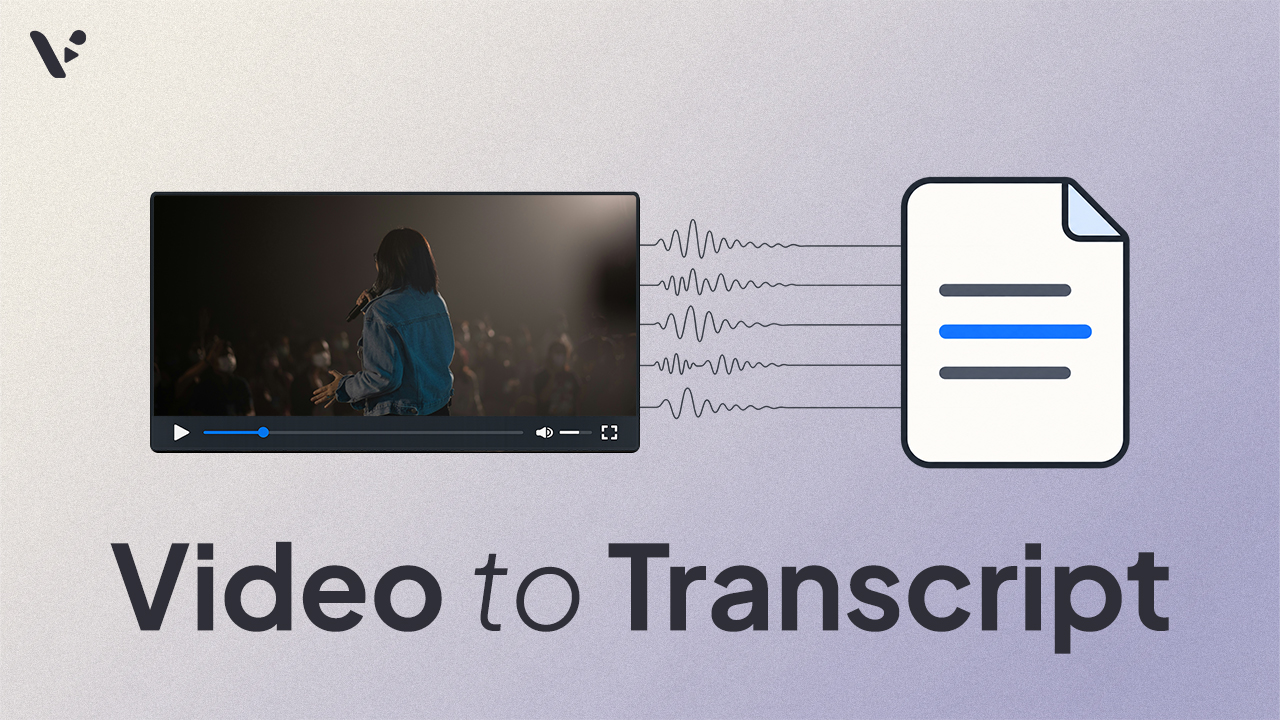
How to Transcribe Video to Text With AI
Quick Answer: to transcribe video to text with Visla, open Clips in your Teamspace and upload a video file or paste a YouTube URL. Once Visla processes the video, open Video Transcription to see the timestamped transcript. You can click any word to jump to that point in the video, correct the transcript if needed,…
-
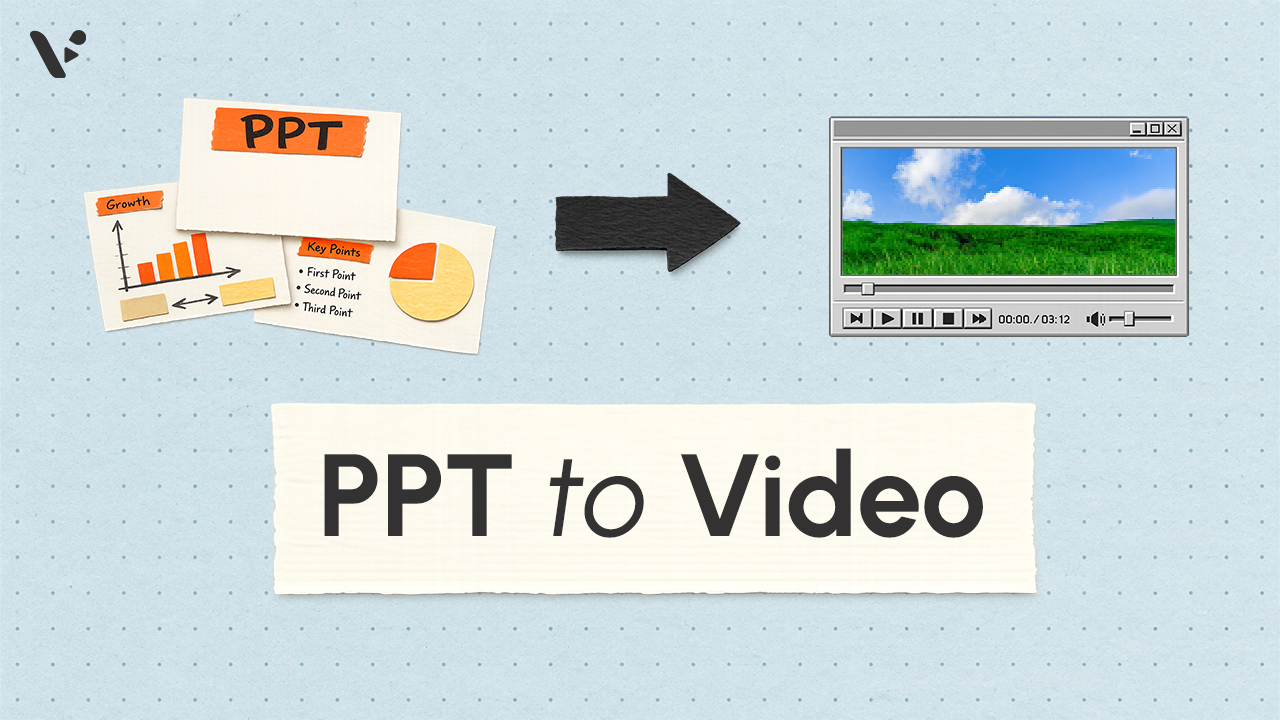
How to Convert PowerPoint to Video Online With AI in 2026
Quick answer: Visla can turn a PowerPoint presentation into a narrated video with subtitles, music, transitions, and editable scenes. Upload a .ppt or .pptx file, choose how you want the video produced, and generate a first draft. Each slide becomes a still visual in its own scene, while Visla builds the narration and other video…
-
Visla vs. Canva: Which Is Better for Business Video in 2026?
Quick Answer: Visla and Canva can both create videos, but they’re built around different kinds of work. Visla is an end-to-end video production platform that brings AI creation, recording, editing, branding, collaboration, and sharing into one place. Canva is a broader visual design platform with capable video tools alongside graphic design, photo editing, presentations, websites,…
-
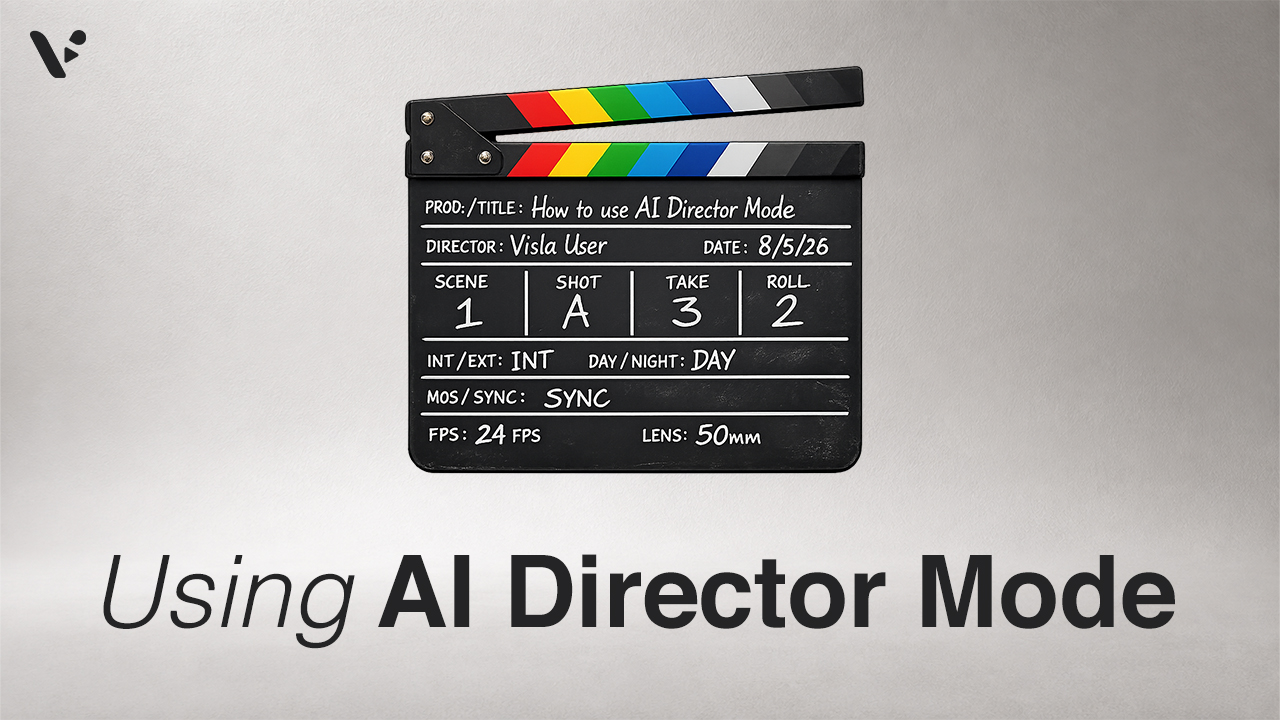
How to Use AI Director Mode in Visla: A Step-by-Step Guide
Updated 8/6/2026 Quick answer: AI Director Mode is Visla’s workflow for creating consistent, multi-scene AI videos. Start with a prompt or source material, add any visual references you have, and choose a style. You can then review or create the characters, objects, products, and environments that Visla will use throughout the video. After Visla creates…
-
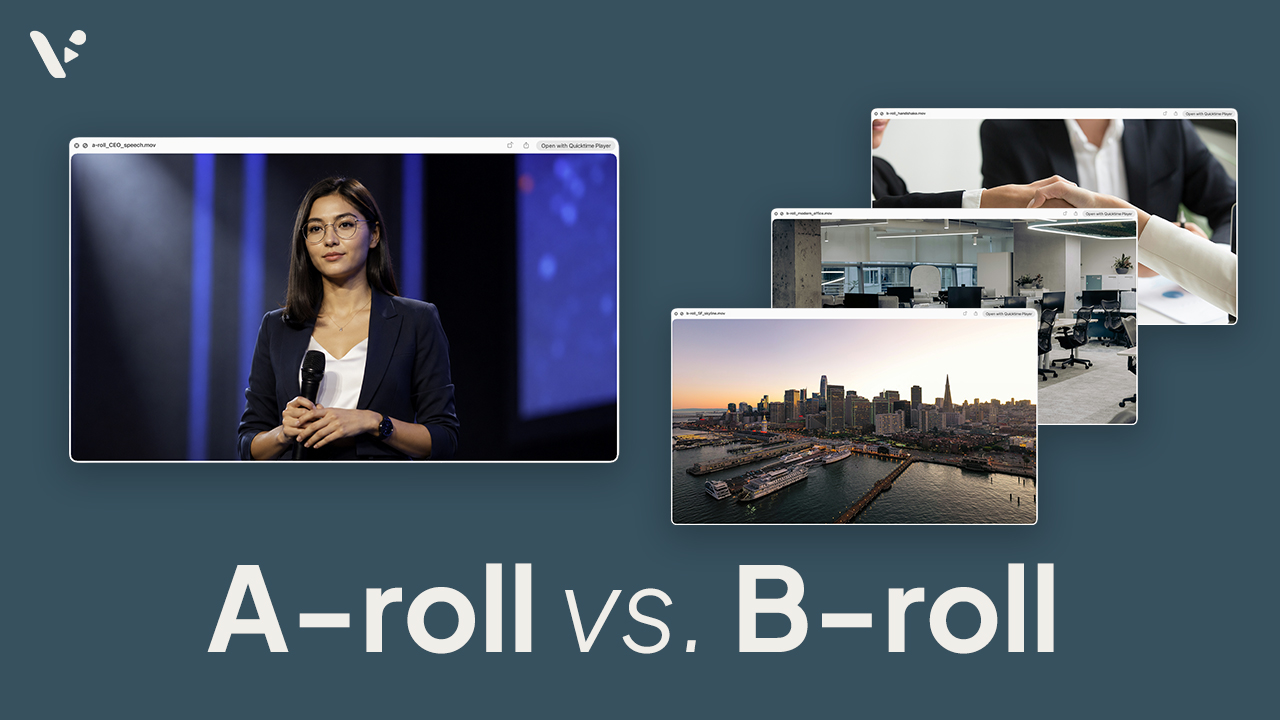
What Is B-Roll? How to Find and Create B-Roll Footage in 2026
Updated 8/4/2026. Quick answer: B-roll is supporting footage used alongside a video’s main footage, or A-roll. It can show what a speaker describes, establish context, or cover an edit. You can record it, license stock, reuse owned footage, or generate it with AI. What is b-roll footage? Whether a shot counts as A-roll or b-roll…
-
WebP vs. GIF: What’s the Difference and Which Is Better?
Quick answer: GIF and WebP are image file formats that can display still images or short, silent animations. WebP usually produces smaller files with better color and smoother transparency, while GIF remains more compatible with older software and restrictive upload systems. Every current major browser supports WebP, but individual websites and apps can still reject…