
Where enterprise video strategy gets sharper
New articles every Tuesday and Thursday.
The Visla blog covers AI video tools, production workflows, and video strategy for marketing, enablement, and operations teams. Practical content, no filler.
-
WebP vs. GIF: What’s the Difference and Which Is Better?
Quick answer: GIF and WebP are image file formats that can display still images or short, silent animations. WebP usually produces smaller files with better color and smoother transparency, while GIF remains more compatible with older software and restrictive upload systems. Every current major browser supports WebP, but individual websites…
-
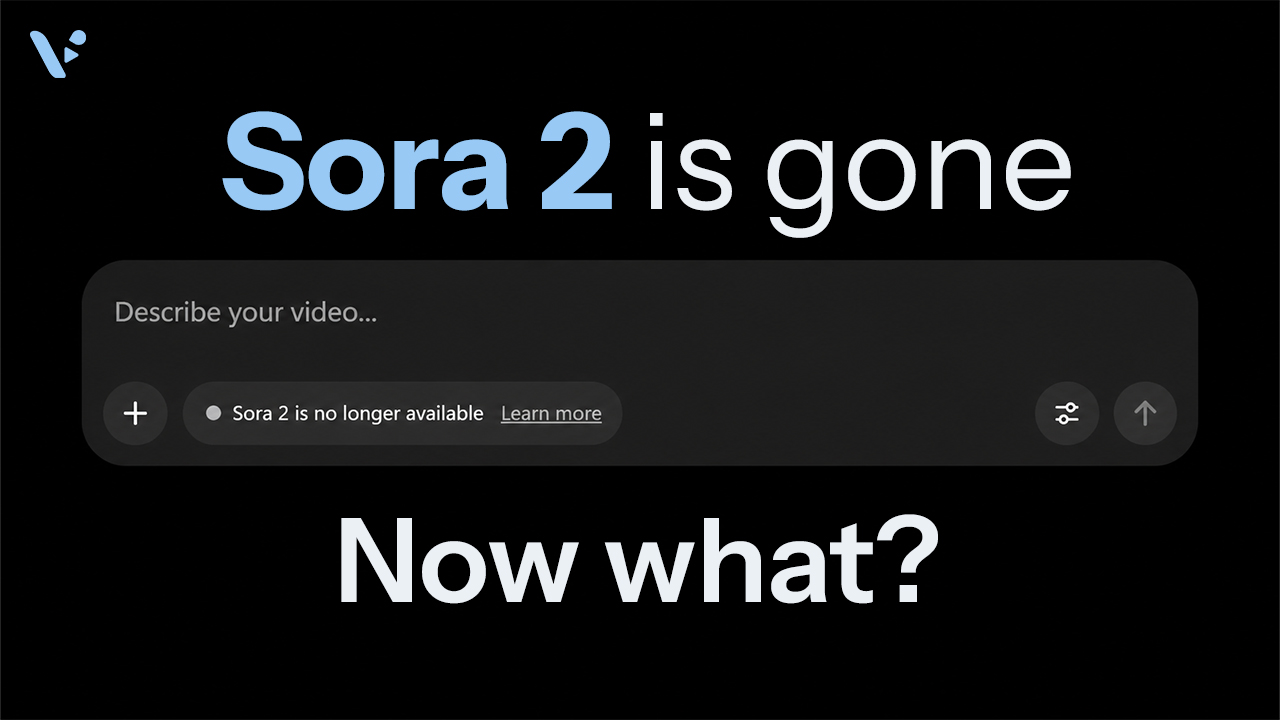
How to Prompt Sora 2: What Still Works After Its Discontinuation
Updated 7/28/2026 Quick answer: Can you still use and prompt Sora 2? Sora 2’s consumer app and website shut down on April 26, 2026, and OpenAI will discontinue the Sora API on September 24, 2026. The API remains technically available during that migration period, but both Sora 2 models are…
-
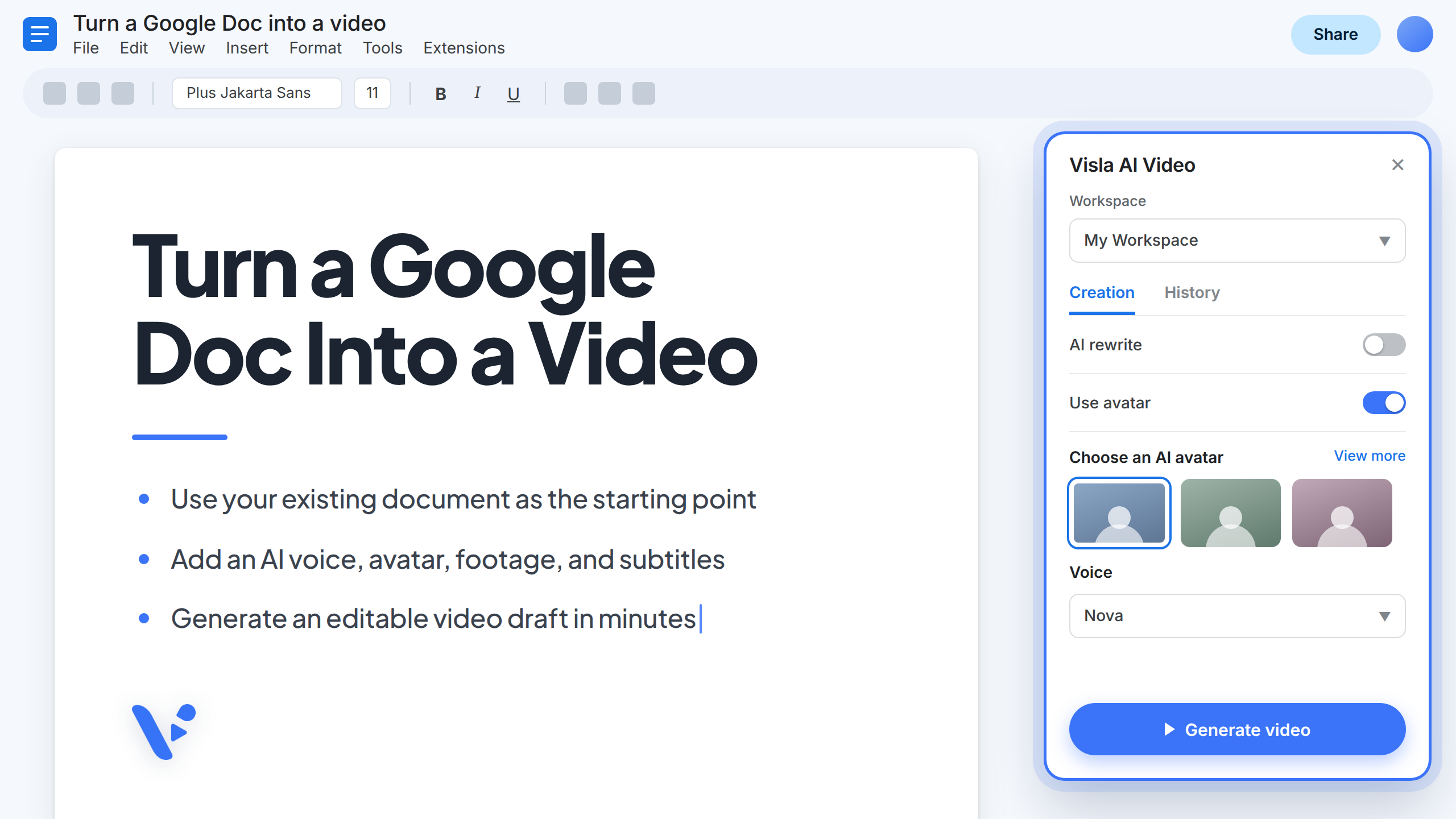
How to Turn a Google Doc Into a Video With Visla AI Video
Quick answer: How does Visla work with Google Docs? Visla AI Video is a Google Docs add-on that turns the document you already have open into an editable video draft. You can use your text exactly as written or ask AI to adapt it into a video script. Once Visla…
-

What Are ChatGPT Plugins and How Do They Work?
Quick answer: A ChatGPT Plugin packages tools, instructions and other capabilities for a specific workflow in ChatGPT or Codex. Plugins can include reusable skills, connected Apps, App templates and interactive extensions. Apps connect ChatGPT to outside services and data; Plugins organize those capabilities into something you can install and use…
-
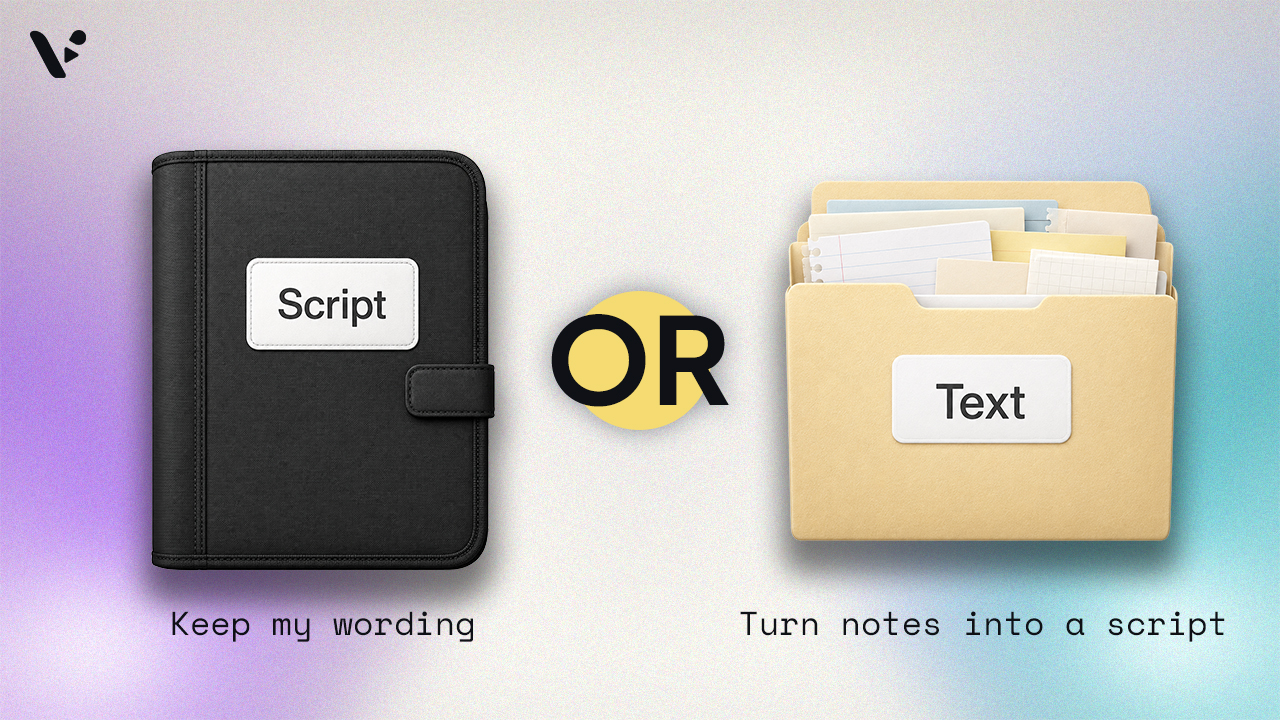
Script to Video vs. Text to Video: What’s the Difference?
Quick answer: The main difference between script to video and text to video is whether the AI rewrites your script. In Visla, script to video uses the script you provide, while text to video turns rough text or source material into a new video script. Choose script to video when…
-
Should your business create a custom AI avatar?
Quick Answer A custom AI avatar makes sense when a public avatar isn’t specific enough for your brand, video series, or audience. Use a public avatar when speed matters and the presenter’s identity doesn’t. Use a generated custom avatar when you want a consistent branded presenter. Use a photo-based avatar…
-
Your AI avatar can speak for your company. Who approves the script?
Quick Answer: What is an AI avatar policy? An AI avatar policy explains how a company may create, use, approve, disclose, share, and retire digital presenters. It should identify which avatars are allowed, who may access them, what they may communicate, and who approves each video. Avatars based on real…
-
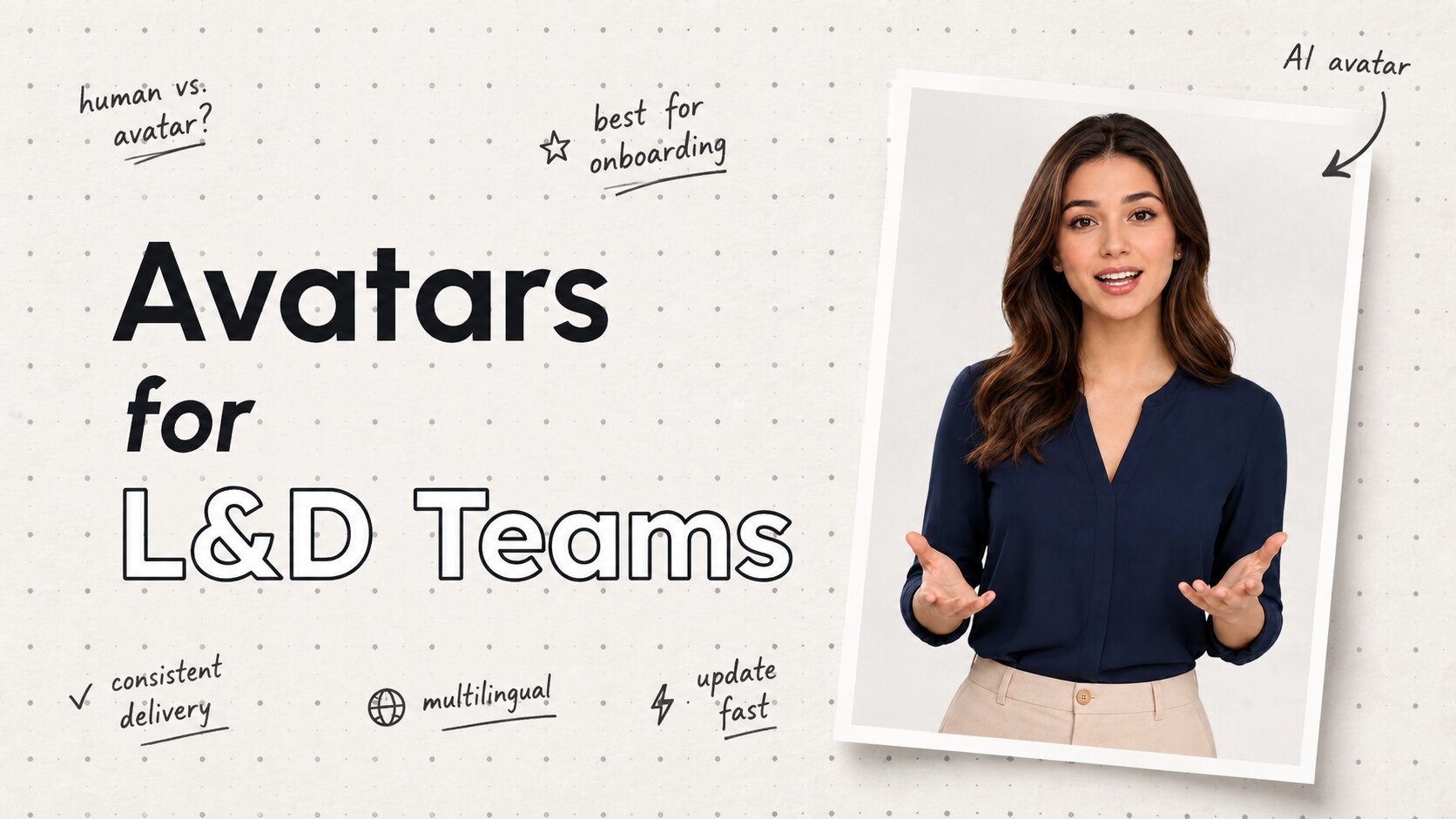
AI Avatars for Training: A Decision Guide for L&D Teams
Quick answer: When should L&D teams use AI avatars? Use AI avatars for training that must stay consistent, change often, or reach employees in several languages. Use a human presenter when the speaker’s identity, experience, or responsibility for the message affects how employees receive it. For technical training, give the…
Get the Visla newsletter
Weekly insights on tools, strategy, and what’s changing in enterprise video. No noise, just what your team needs to know.