
Quick Answer
Here are the main trends in video production for 2026. Most teams will run a two-speed video strategy: quick vertical clips for reach, plus longer “anchor” videos that build trust and drive conversions. Viewers will expect creator-style authenticity, clear captions, and versions that fit each platform instead of one generic upload everywhere. Teams will produce more by designing modular shoots and repurposing one recording into many formats, then they’ll rely on AI to speed up editing, localization, and asset search. If you want a simple plan, build a repeatable pipeline that starts with one high-signal recording and ends with a calendar of platform-native cuts.
1. The two-speed strategy becomes the default: shorts for reach, anchors for trust
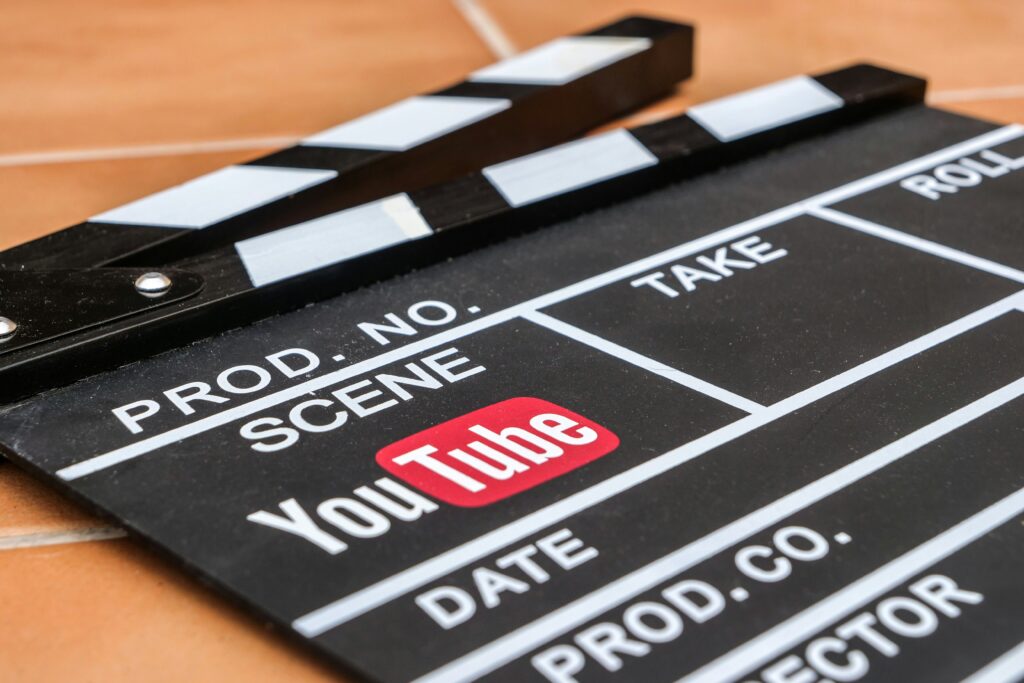
Teams will stop arguing about “short vs long.” They’ll use both, on purpose.
What videos will look like
Short-form will stay punchy: fast hooks, clear on-screen text, and edits that respect the feed. Tik Tok will remain hugely popular, and that probably won’t change for a long time. Long-form will look more structured: chaptering, tighter intros, and a “you’ll learn X” promise up front. Remember: YouTube is the most popular social media site in the US for a reason, and long videos still play extremely well there. Long-form videos also play well on company intranets and customer-facing company websites.
Formats that will dominate
- 15–45s: one idea, one moment, one takeaway
- 60–90s: mini tutorial, POV update, or product tip
- 2–3 minutes: a complete story or walkthrough without losing momentum
- 8–30 minutes: product deep dives, training, webinars, video podcasts, and customer conversations
What audiences will expect
People will expect you to respect their time. They’ll reward clarity.
- Put the point in the first 2–3 seconds.
- Use captions even when you think the audio “sounds fine.”
- Deliver a payoff before you ask for a click.
What to ship (a practical bundle)
If you publish one anchor video, aim for this bundle:
- 1 anchor (8–20 minutes)
- 3 clips (60–90 seconds)
- 6 shorts (15–45 seconds)
- 1 teaser (10–15 seconds)
How Visla can help
Visla can help you capture a clean anchor video fast with powerful screen recording and video recording tools. Then it can help turn that anchor into a series of short-form videos with consistent formatting, captions, and branding so you don’t start from zero each time.
2. Creator-style becomes corporate style: employees on camera, fewer “brand commercials”
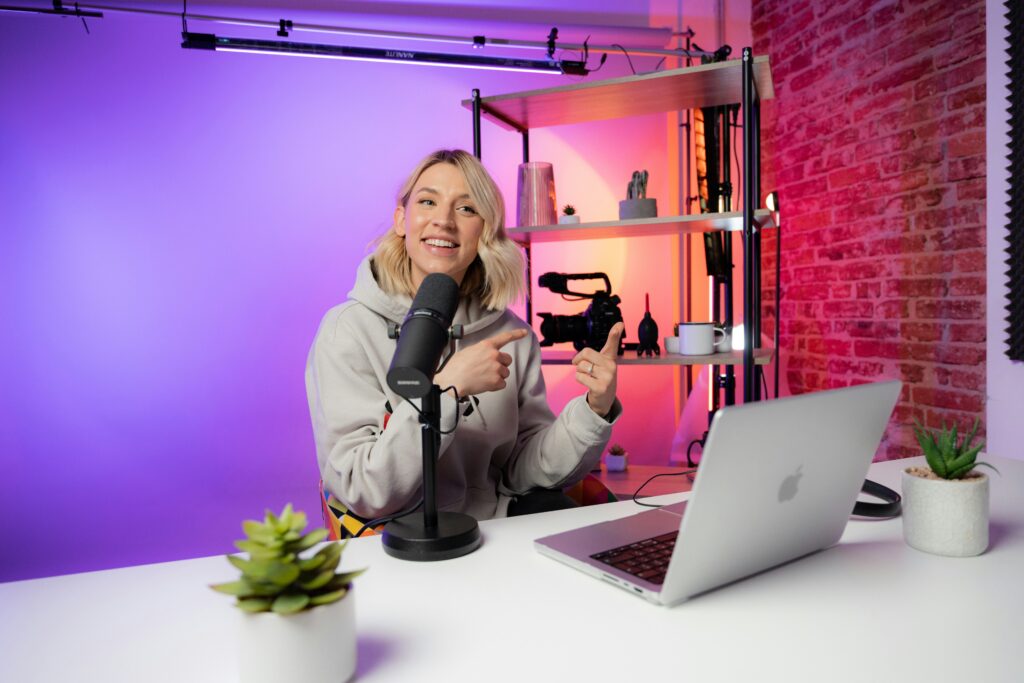
In 2026, the best corporate videos will feel like someone helpful made them, not like a committee produced them.
What videos will look like
Teams will use direct-to-camera framing, simple lighting, and practical settings: desks, meeting rooms, factory floors, storefronts, and conference hallways. Viewers won’t punish teams for a non-studio look. Viewers will punish teams for being vague.
Where this works best
Creator-style content will thrive where trust matters:
- LinkedIn thought leadership and recruiting
- YouTube explainers and product education
- TikTok and Reels for top-of-funnel discovery
A simple casting strategy
Don’t force one “face of the brand.” Spread the work.
- Founder or exec: POV and strategy
- PM or marketer: positioning and use cases
- Support or CS: problems and fixes
- Engineer or operator: how it works
- Customer: proof and outcomes
| Creator-style video | Who should star | Best use | Typical length |
|---|---|---|---|
| “Here’s what’s changing” POV | Exec or founder | Narrative + trust | 45–120s |
| “Here’s how to do it” walkthrough | PM, CS, or operator | Education | 60–180s |
| “We built this because…” story | Product or engineering | Differentiation | 60–150s |
| “What surprised me this week” recap | Anyone consistent | Consistency | 30–60s |
How Visla can help
Visla can help non-creative teammates record and edit confidently so they don’t spend an afternoon fighting their camera, mic, or timeline. It also helps teams standardize layouts and brand elements so “creator-style” still looks intentional.
3. “Capture once, ship everywhere” becomes non-negotiable
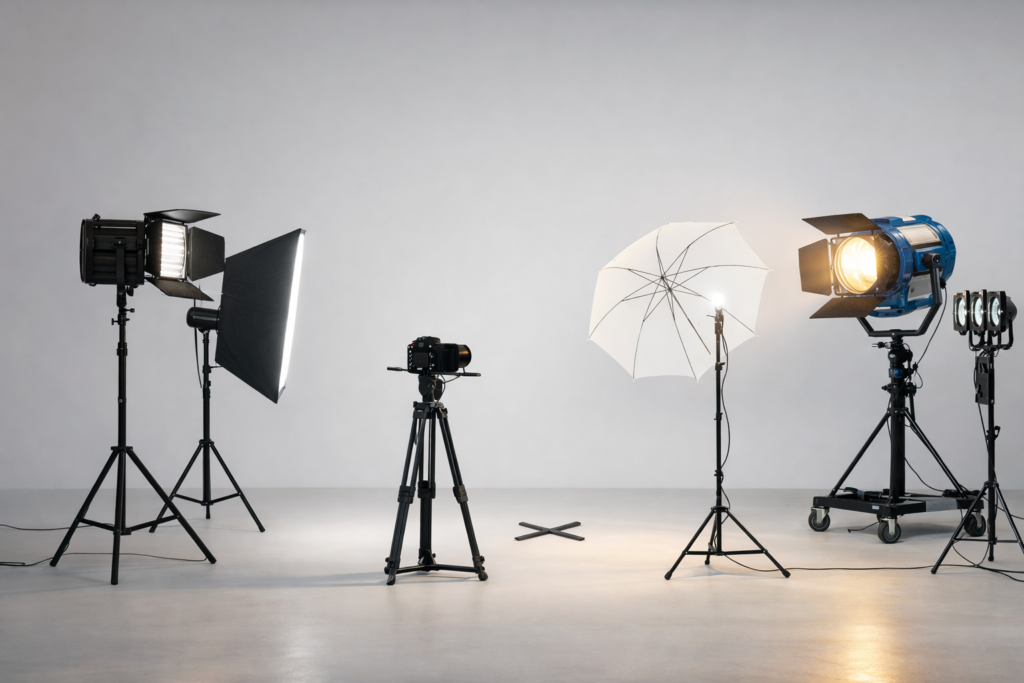
In 2026, production will reward teams that build modules, not one-off masterpieces.
What videos will look like
Creators and brands will plan content like Lego bricks: intro, 3–5 segments, optional Q&A, and multiple CTA endings. Teams will cut the same core story into different lengths and aspect ratios, then they’ll publish those cuts on a schedule.
The new production mindset
Instead of asking “What video should we make?” teams will ask:
- What’s the core recording we should capture?
- What moments inside it deserve their own clips?
- Which versions match each channel’s rules?
A repurposing workflow you can actually run
| Step | Output | Owner | Quality check |
|---|---|---|---|
| Record one high-signal session | 20–60 minutes of footage | Subject-matter lead | Audio clarity + agenda |
| Pull moments and build a cut list | 10–20 time-stamped clips | Marketer or editor | Each clip has one point |
| Create versions by channel | 9:16, 1:1, 16:9 exports | Content lead | Captions + safe margins |
| Add CTA variants | 2–3 endings | Marketing | CTA matches funnel stage |
| Publish on a calendar | 2–4 weeks of posts | Social or demand gen | Avoid repetitive hooks |
How Visla can help
Visla can help you turn one video project into many without rebuilding the edit for every channel. It can also keep all of your brand elements consistent across a whole batch, which matters when multiple teammates publish.
4. AI becomes a baseline production layer, but teams will win with taste and governance

Teams won’t “use AI” as a gimmick in 2026. They’ll use AI as the default layer for editing speed, search, and localization.
What technology teams will use most
Expect AI to show up in the parts of production that used to consume time:
- Clip search: find the moment by describing it
- Cleanup: improve speech clarity and remove small mistakes
- Captions: generate, style, and translate
- Localization: add multi-language audio tracks for global audiences
- Versioning: produce multiple lengths and aspect ratios faster
What people will expect
Audiences will expect accessibility and clarity.
- Captions will feel like the default.
- Clear voice audio will matter more than cinematic b-roll.
- Multi-language support will raise expectations for global brands.
What will still separate great video from average video
AI won’t replace creative judgment. It will amplify it.
- Teams with a clear point of view will ship better content.
- Teams with better story structure will win retention.
- Teams with brand rules will avoid messy inconsistency.
How Visla can help
Visla can help you move faster from “raw footage” to “publish-ready” with our powerful AI Video Agent. It also helps teams keep human control over the final cut so you can protect accuracy, brand voice, and compliance.
5. Distribution expands beyond mobile feeds: YouTube on TV, CTV, and full-screen placements
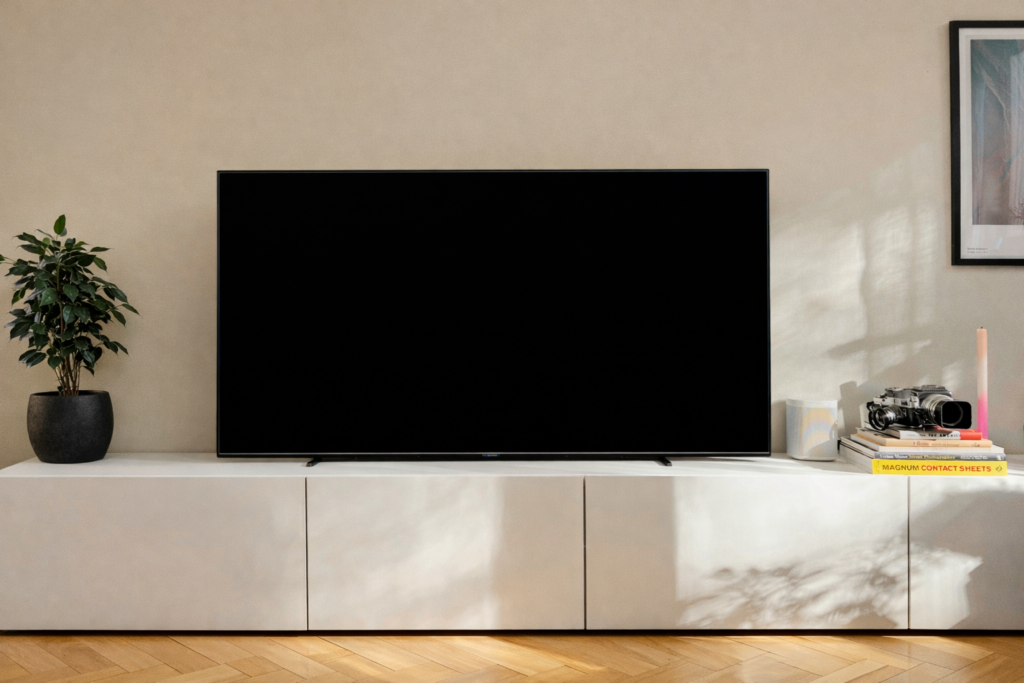
Social video will stay huge, but 2026 will push video harder into the living room and into premium placements.
What changes
- YouTube will keep behaving like both a social platform and a TV channel.
- More teams will test CTV for brand and performance video, especially when targeting broad audiences.
- Platforms will keep building full-screen video surfaces, even in “professional” contexts.
What audiences will want
People will want video that fits where they watch.
- On TV, viewers will tolerate longer runtimes when the story stays clear.
- On mobile, viewers will scroll the second you ramble.
- On professional platforms, viewers will reward clarity over hype.
| Channel | What to publish in 2026 | Best aspect ratio | Editing notes |
|---|---|---|---|
| TikTok + Reels | discovery clips, creator-style explainers | 9:16 | hook fast, caption everything |
| YouTube Shorts | story-driven shorts and mini how-tos | 9:16 | build to a payoff, not a teaser |
| YouTube long-form | education, demos, series, podcasts | 16:9 | chapters, tighter intros |
| POV, product education, recruiting | 4:5 or 1:1, sometimes 9:16 | get to the point, keep it practical | |
| CTV | higher-polish performance video | 16:9 | stronger branding, simpler message |
How Visla can help
Visla can help you publish the same core story across multiple channels by exporting the right sizes, keeping branding consistent, and making repurposing less painful. That helps you test new surfaces like YouTube on TV or CTV without doubling your production workload.
A simple 30-day plan for 2026-ready production
If you want the benefits of these trends without changing your whole org chart, run one month as a pilot.
- Pick one anchor format (demo, webinar, training, or video podcast).
- Record two anchor sessions and publish both.
- Cut 10–20 clips total from those sessions.
- Publish clips on a calendar with clear goals: reach, engagement, or conversions.
- Review results and double down on the formats that earned watch time and clicks.
When you treat video like a system, you stop betting everything on a single upload. You also give your team a process you can improve every week.
No matter the trend, Visla can help with your video production needs.
FAQ
In 2026, most business teams will win with a two-speed mix: short-form video for reach and anchor videos for trust and conversion. Use 15–45 second clips for one idea, 60–180 second mini explainers for education, and 8–20 minute demos or webinars when buyers need depth. Plan each anchor to produce 10–20 clips so you don’t treat every post like a new production. YouTube Shorts now supports up to three minutes, so you can tell a complete mini story without leaving the Shorts format.
Start with a single high-signal recording that includes a clear agenda and distinct segments. Pull 10–20 time-stamped moments and write a one-sentence takeaway for each clip before you edit. Export three sizes (9:16, 1:1, 16:9) and create two CTA endings so you can match clips to reach, engagement, or conversion goals. Treat repurposing as the primary distribution plan, because one event can generate far more watch time in clips than the live replay.
AI helps most when it reduces the time you spend searching footage, cleaning audio, generating captions, and versioning exports. Use AI to find clips by describing the moment you need, then use tools like Enhance Speech to improve dialogue clarity before you do any fancy edits. Keep a human review step for facts, brand voice, and anything compliance-related, because AI will still miss nuance and context. If you standardize your templates and approvals, you’ll feel the speedup every week instead of only on one project.
Yes, because viewers watch in more environments and languages, and they expect captions by default. Captions improve comprehension and retention, and they also make your videos more searchable across platforms and internal libraries. When you add multi-language audio or translated captions, you can unlock new watch time without making separate channels or duplicate uploads. Start with your top two languages and your top two video series, then expand once your workflow feels stable.
You should prioritize YouTube for evergreen education, LinkedIn for professional reach, and short-form platforms like Reels and TikTok for discovery. You should also test connected TV when you need premium environments and broad reach, especially for product launches or big brand moments. Match channel to format: Shorts and Reels for hooks and tips, YouTube long-form for demos and webinars, and LinkedIn for POV and recruiting. Track watch time and downstream actions by channel so you can double down on what actually drives pipeline.

May Horiuchi
May is a Content Specialist and AI Expert for Visla. She is an in-house expert on anything Visla and loves testing out different AI tools to figure out which ones are actually helpful and useful for content creators, businesses, and organizations.